What Is Blood Cancer?
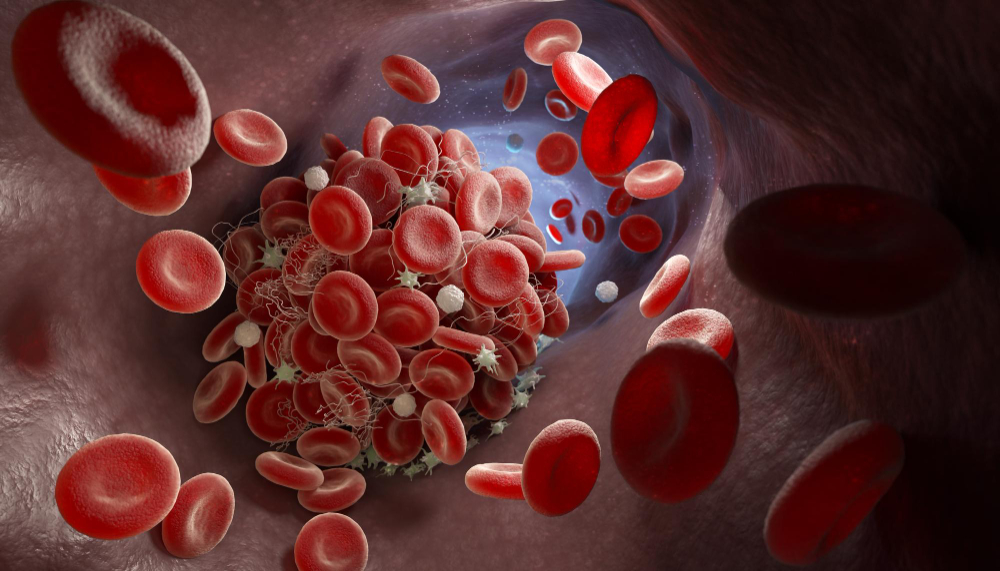
Blood cancer is a disease that starts in the blood or bone marrow. It affects how blood cells grow and work. Because blood cancer impacts immune function, it can weaken the body’s defense against infections. There are three main types: leukemia, lymphoma, and myeloma. Each type affects different blood cells. For example, leukemia starts in white blood cells, which help fight germs. In the United States, thousands of people are diagnosed with blood cancer each year. Early detection can make a big difference in treatment and recovery.
How Blood Cancer Affects the Immune System
Blood cancer and immunity are closely linked. Normally, the immune system protects the body from illness. However, blood cancer changes how blood cells work. As a result, the body may not fight infections well. For instance, cancer cells can crowd out healthy cells in the bone marrow. This means fewer healthy white blood cells are made. Because of this, people with blood cancer often get sick more easily. In addition, some treatments can weaken the immune system further. Therefore, it is important to watch for signs of infection and seek help quickly.
Common Symptoms and Warning Signs
Blood cancer symptoms can be mild at first. However, they often get worse over time. It is important to know the warning signs, so you can get help early. Common symptoms include:
If you notice these symptoms, talk to your doctor. Early action can improve treatment options for blood cancer.
Diagnosis: How Blood Cancer Is Detected
Doctors use several tests to find blood cancer. First, they may do a physical exam and ask about your symptoms. Next, blood tests check for abnormal cells. Sometimes, a bone marrow test is needed. This test looks at the soft tissue inside your bones. Imaging tests, like CT scans, can also help find cancer in the body. Because early diagnosis is key, do not delay if you have symptoms. The CDC and WHO recommend regular check-ups, especially if you are at higher risk.
Treatment Choices for Blood Cancer
Treatment options for blood cancer depend on the type and stage. Your doctor will explain the best plan for you. Common treatments include:
Because some treatments can lower immunity, doctors may also suggest ways to support your immune system during cancer care. Always ask about side effects and how to manage them.
Lifestyle Tips and Immune Support
While treatment is important, daily habits also matter. You can help your immune system with simple steps. For example, eat a balanced diet rich in fruits and vegetables. In addition, get enough sleep and stay active if possible. Wash your hands often to prevent infections. Avoid crowds or sick people when your immunity is low. Your doctor may also suggest vaccines or medicines to protect you. Because stress can affect health, try to relax and seek support from friends or groups.
Prevention and Early Detection
Although you cannot always prevent blood cancer, some steps may lower your risk. For instance, avoid smoking and limit exposure to harmful chemicals. Regular check-ups help find problems early. If you have a family history of blood cancer, tell your doctor. Early detection means more treatment choices and better results. The American Cancer Society and WHO offer helpful guidelines for screening and prevention.
Reliable Resources and Support
Learning about blood cancer and immunity can feel overwhelming. However, many trusted groups offer help. For more information, visit:
These groups provide facts, support, and updates on treatment options for blood cancer. You can also find local support groups for patients and families.
Remember: Consult a hematologist or healthcare provider for personalized advice on blood cancer and immune health.