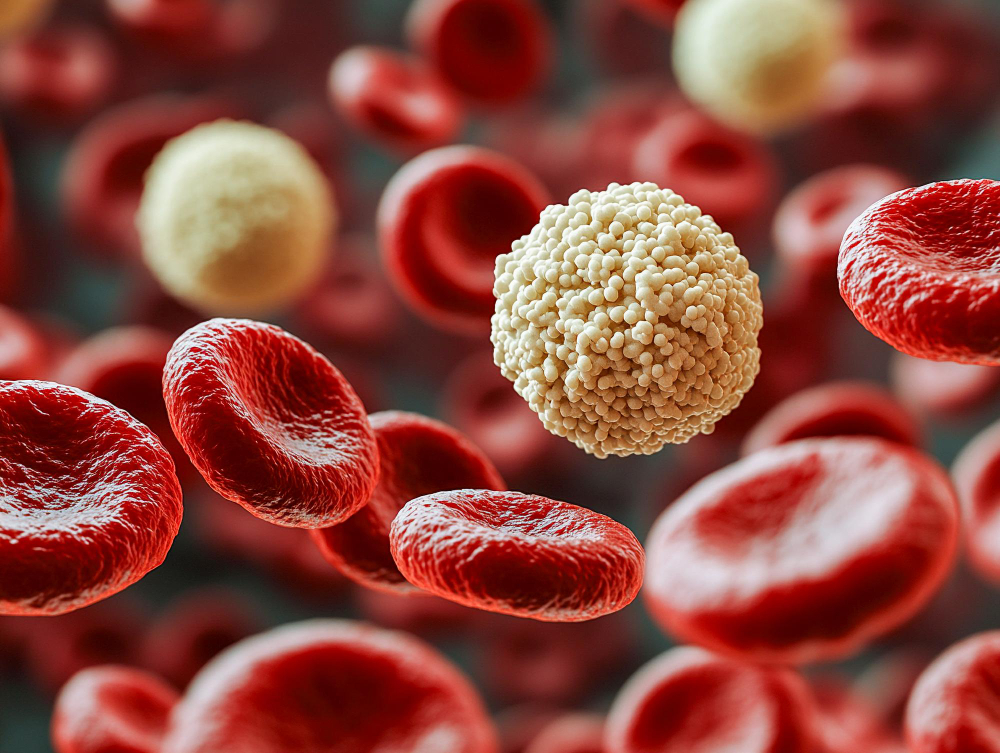
Acute Myeloid Leukemia (AML) is a fast-growing cancer of the blood and bone marrow. Many people have questions about AML, its symptoms, causes, and treatment options. In this blog, you will learn what AML is, how it is diagnosed, and what steps you can take if you or a loved one is affected. Early understanding can help you make informed choices about care and support.
What is Acute Myeloid Leukemia (AML)?
Acute Myeloid Leukemia, often called AML, is a type of blood cancer. It starts in the bone marrow, which is the soft tissue inside bones. Here, blood cells are made. In AML, the bone marrow makes too many abnormal white blood cells. These cells crowd out healthy blood cells. As a result, the body cannot fight infections or stop bleeding as it should. Unlike some slow-growing cancers, AML develops quickly and needs prompt treatment. According to the World Health Organization (WHO), AML is more common in adults but can also affect children.
Common Symptoms of AML
Symptoms of AML can appear suddenly. However, some signs may be mild at first. It is important to notice changes early. Common symptoms include:
Because these symptoms can be caused by other illnesses, it is important to see a doctor if they last or get worse.
Causes and Risk Factors
Doctors do not always know what causes AML. Still, some factors can raise the risk. Knowing these can help you understand your chances of developing AML. Risk factors include:
Even with these risks, many people with AML have no known risk factors. Therefore, regular health checks are important.
How AML is Diagnosed
Early diagnosis is key for better outcomes. If a doctor suspects AML, they will start with a physical exam and ask about symptoms. Next, they may order blood tests to check for abnormal cells. If results suggest AML, a bone marrow test is usually needed. During this test, a small sample of bone marrow is taken and checked under a microscope. Sometimes, genetic tests are done to find changes in the cells. These tests help doctors choose the best treatment. The AML diagnosis process can seem scary, but each step helps guide care.
Treatment Options for AML
Treating AML often needs a team of specialists. The main goal is to remove cancer cells and help healthy blood cells grow. Treatment options for AML include:
Sometimes, doctors combine these treatments. The choice depends on age, overall health, and the type of AML. Because AML can return, follow-up care is important.
Living with AML: Lifestyle and Support
Living with AML can be challenging. However, support and healthy habits can make a difference. Here are some tips:
In addition, mental health support is important. Many people find counseling or talking with others helpful during treatment.
Prevention and Early Detection
There is no sure way to prevent AML. Still, you can lower your risk by avoiding smoking and harmful chemicals. Regular health check-ups can help spot problems early. If you have a family history of blood cancers, let your doctor know. Early detection can lead to better treatment results. Therefore, always pay attention to new or lasting symptoms.
In summary, Acute Myeloid Leukemia is a serious but treatable condition. If you notice signs of AML or have concerns, consult a specialist for personalized advice on AML.