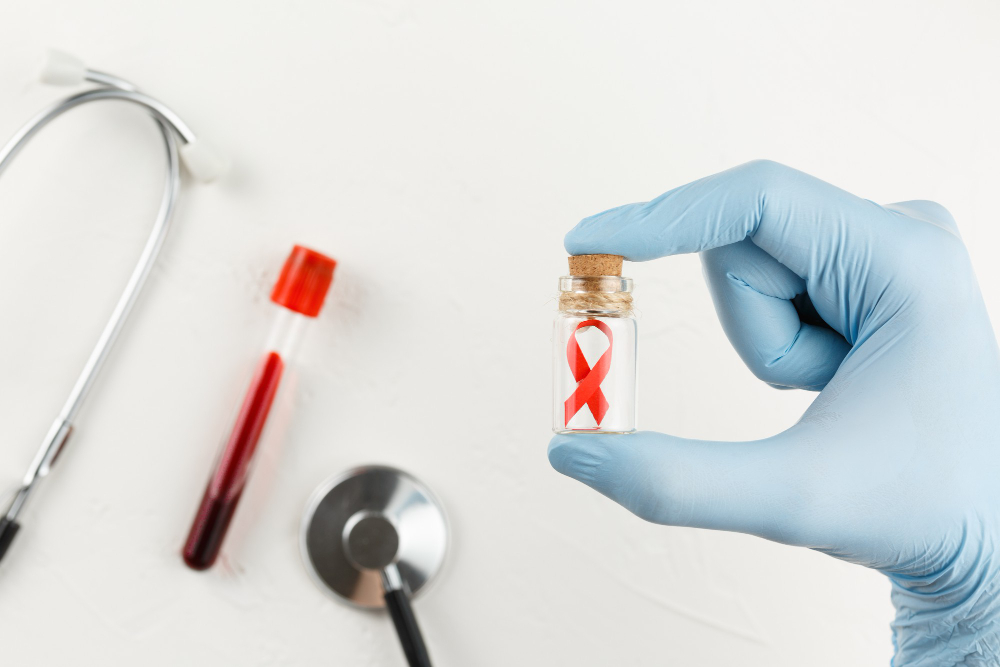
What is Hemato-Oncology?
Hemato-oncology is the field of medicine that focuses on blood cancers and blood disorders. These include conditions like leukemia, lymphoma, and multiple myeloma. In addition, it covers other blood problems such as anemia and clotting issues. Doctors in this field are called hematologists or hemato-oncologists. They use special tests to find and treat these diseases. Globally, blood cancers affect people of all ages. However, early diagnosis in hemato-oncology can make a big difference in treatment success.
Why Early Diagnosis Matters
Early diagnosis in hemato-oncology is very important. When blood cancers or disorders are found early, treatment can start sooner. As a result, patients often have better outcomes. For example, the World Health Organization (WHO) states that early detection can improve survival rates. Moreover, early treatment may be less aggressive and have fewer side effects. In many cases, catching the disease early means a higher chance of cure or long-term control.
Common Symptoms to Watch For
It is important to know the early signs of blood disorders and blood cancers. Sometimes, these symptoms are mild or easy to miss. However, paying attention to your body can help you spot problems early. Watch for these common signs:
If you notice any of these symptoms, talk to your doctor. Early signs of blood disorders can be subtle, but they should not be ignored.
How Early Diagnosis Improves Outcomes
Early diagnosis in hemato-oncology leads to better results for patients. For instance, finding blood cancer early often means the disease is at a less advanced stage. This makes it easier to treat. According to the CDC, early treatment can increase survival rates and improve quality of life. Furthermore, patients may need less intense therapies. Early detection also helps doctors plan the best care for each person. Because of this, regular check-ups and blood tests are important.
Steps for Early Detection
There are several ways to catch blood cancers and disorders early. While not all blood cancers have screening tests, some steps can help:
In the United States and worldwide, early detection saves lives. Therefore, staying alert and proactive is key.
Prevention and Lifestyle Tips
Although not all blood cancers can be prevented, healthy habits may lower your risk. For example, you can:
Additionally, managing other health problems, like infections, can help. While these steps do not guarantee prevention, they support overall health.
Conclusion and Next Steps
In summary, early diagnosis in hemato-oncology is vital for better outcomes. Recognizing early signs and seeking prompt care can save lives. Because blood cancers and disorders can be serious, do not delay if you notice symptoms. Consult a hematology specialist for personalized advice and early screening. Taking action now can make a big difference in your health and future.