Introduction to Hemato-Oncology and Blood Cancer
Hemato-oncology is the study and treatment of blood cancers. These cancers include leukemia, lymphoma, and myeloma. Blood cancer affects the cells in your blood, bone marrow, or lymph nodes. According to the World Health Organization, blood cancers are among the most common cancers worldwide. Because of this, new treatments are always being developed. In recent years, hemato-oncology advancements have changed how doctors treat these diseases. One major change is the use of targeted therapies for blood cancer. These new treatments offer hope to many patients.
What Are Targeted Therapies?
Targeted therapies are special medicines that attack cancer cells directly. Unlike older treatments, they do not harm as many healthy cells. Instead, they focus on the parts of cancer cells that make them grow. For example, some targeted therapies block signals that tell cancer cells to multiply. Others help the immune system find and destroy cancer cells. Because of this, targeted therapies can be more precise than traditional treatments.
Recent Advancements in Targeted Therapies for Blood Cancer
In the past decade, there have been many new treatments for leukemia and lymphoma. For instance, doctors now use drugs called tyrosine kinase inhibitors for certain types of leukemia. These medicines block the proteins that help cancer cells grow. In addition, monoclonal antibodies are used to target specific markers on cancer cells. CAR-T cell therapy is another breakthrough. It uses a patient’s own immune cells to fight cancer. These latest targeted therapies for blood cancer are helping more people live longer and healthier lives.
Benefits and Limitations of Targeted Therapies
Targeted therapies offer many benefits. First, they often cause fewer side effects than chemotherapy. Also, they can be more effective for some patients. However, there are some limitations. Not all blood cancers respond to these treatments. Sometimes, cancer cells change and become resistant. In addition, targeted therapies can be expensive and may not be available everywhere. Even so, ongoing research is making these treatments better and more accessible.
How Targeted Therapies Differ from Traditional Treatments
Traditional treatments like chemotherapy and radiation attack both cancer and healthy cells. Because of this, patients often have more side effects. In contrast, targeted therapies focus on cancer cells. This means fewer side effects and, in some cases, better results. However, doctors may still use both types of treatments together. This can give patients the best chance for recovery.
Patient Experience and Outlook
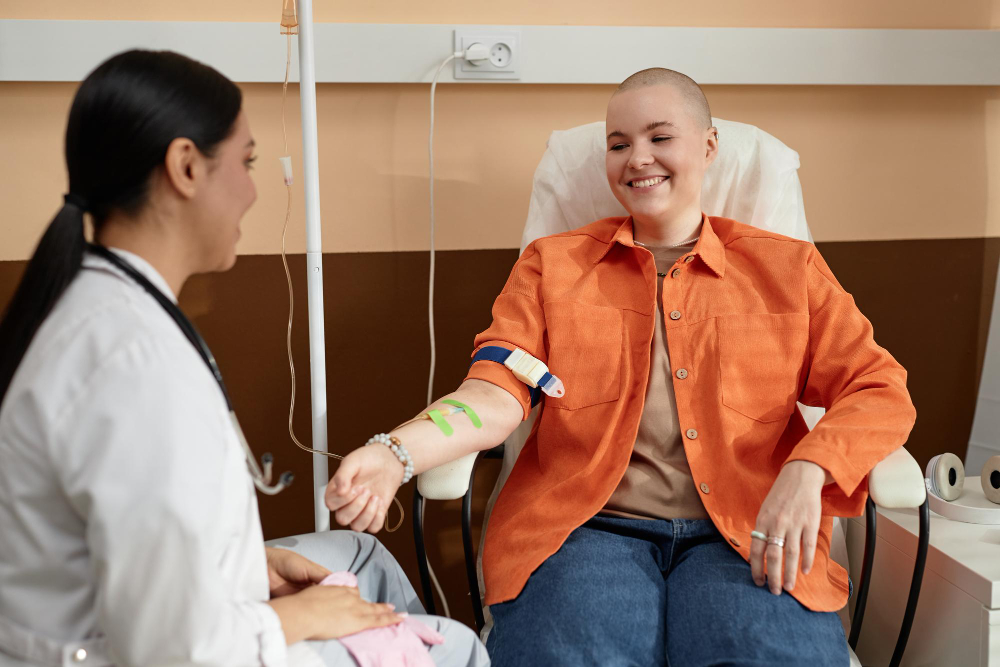
Many patients feel hopeful about new treatments for leukemia and lymphoma. For example, some people who did not respond to older treatments now have more options. Targeted therapies can improve quality of life. They may also help patients return to normal activities sooner. However, it is important to talk with a hematology specialist. Each person’s cancer is different, so treatment plans must be personalized.
Prevention and Lifestyle Guidance
While targeted therapies are changing treatment, prevention is still important. Although you cannot always prevent blood cancer, you can lower your risk. For instance, avoid smoking and limit exposure to harmful chemicals. Eat a healthy diet and stay active. Regular check-ups can help find problems early. If you have a family history of blood cancer, tell your doctor. Early action can make a big difference.
Conclusion
In summary, hemato-oncology advancements have led to the latest targeted therapies for blood cancer. These new treatments offer hope and better outcomes for many people. If you or a loved one has blood cancer, consult a hematology specialist to learn more about the latest targeted therapies for blood cancer.