Introduction
Blood cancer affects the cells in your blood. It can change how your body works. Nutrition and lifestyle tips for blood cancer patients during treatment are very important. Good habits can help you feel better and stay strong. During treatment, your body needs extra care. Eating well and making healthy choices can support your recovery. According to the World Health Organization (WHO), a balanced diet and healthy lifestyle can improve your quality of life during cancer treatment.
Key Nutrition Tips
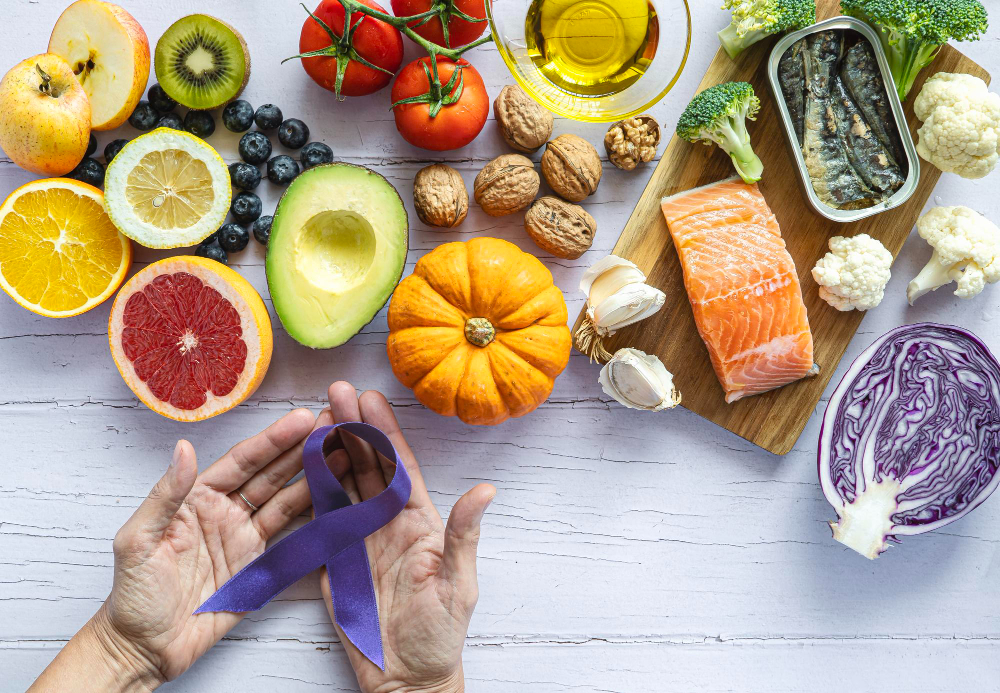
Eating the right foods helps your body fight infection and heal. For a healthy diet for blood cancer, focus on these tips:
Sometimes, treatment can change your taste or make eating hard. In that case, try soft foods or mild flavors. Always wash fruits and vegetables well before eating.
Lifestyle Guidance
Besides eating well, your daily habits matter. Healthy routines can help you manage fatigue during chemotherapy and other treatments. Consider these lifestyle tips:
However, always listen to your body. If you feel too tired, rest as needed. Your healthcare team can suggest safe activities for you.
Practical Daily Tips
Daily routines can make a big difference. Here are some practical tips for blood cancer patients:
Moreover, keep a food diary. This can help you track what you eat and how you feel.
Prevention of Complications
During treatment, your immune system may be weaker. Therefore, it is important to prevent infections and manage side effects:
According to the Centers for Disease Control and Prevention (CDC), these steps can lower your risk of complications during cancer treatment.
When to Seek Medical Advice
Sometimes, problems can happen during treatment. You should call your doctor if you:
Early help can prevent serious problems. Never wait if you feel something is wrong.
Conclusion
In summary, good nutrition and healthy habits can help you feel better during blood cancer treatment. Eating well, staying active, and managing stress are key. Remember, every person is different. Consult your healthcare provider for personalized nutrition and lifestyle guidance during blood cancer treatment.