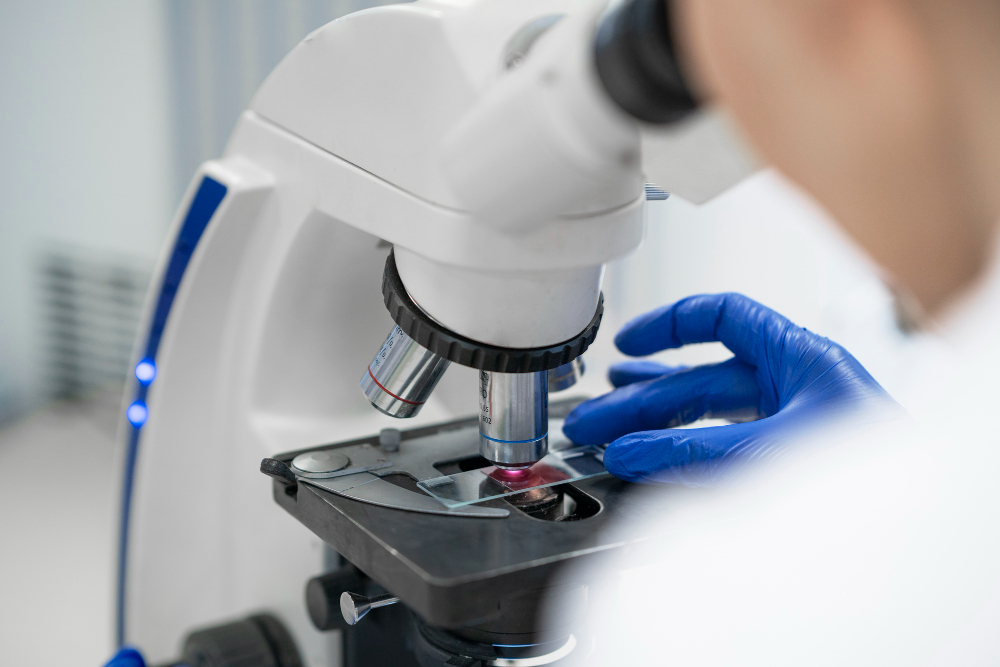
What Is a Bone Marrow Biopsy?
A bone marrow biopsy is a medical test. Doctors use it to check the soft tissue inside your bones. This tissue, called bone marrow, makes blood cells. Because blood cancers often start here, this test is very important. In fact, a bone marrow biopsy in diagnosing blood cancers helps doctors find out what type of blood cancer you may have. It also helps them plan the best treatment for you.
Why Is Bone Marrow Biopsy Important for Blood Cancer Diagnosis?
Doctors use bone marrow biopsy to look for signs of blood cancers like leukemia, lymphoma, and multiple myeloma. Sometimes, blood tests alone are not enough. Therefore, this test gives a clear picture of what is happening inside your bones. For example, it can show if cancer cells are present or if your bone marrow is making healthy blood cells. According to the World Health Organization (WHO), this test is a key step in diagnosing leukemia and lymphoma. It also helps track how well treatment is working.
How Is the Procedure Performed?
Usually, a bone marrow biopsy procedure takes place in a hospital or clinic. The doctor will:
Most often, the hip bone is chosen because it is easy to reach. The whole process usually takes about 20 to 30 minutes. Although you may feel some pressure, the anesthetic helps reduce pain.
What to Expect Before, During, and After the Test
Before the test, your doctor will explain the procedure. You may need to stop certain medicines. During the test, you will lie on your side or stomach. The area will be numbed, so you should only feel mild discomfort. After the test, you may have some soreness or bruising. However, most people can go home the same day. To help you recover, your doctor may suggest:
If you notice heavy bleeding, fever, or severe pain, contact your doctor right away.
Risks and Benefits of Bone Marrow Biopsy
Like any medical test, a bone marrow biopsy has both risks and benefits. The benefits include:
On the other hand, risks are rare but may include:
According to the Centers for Disease Control and Prevention (CDC), bone marrow test safety is high when done by trained doctors. Most people recover quickly and have no serious problems.
Frequently Asked Questions
Conclusion
In summary, a bone marrow biopsy in diagnosing blood cancers is a vital test. It helps doctors find the exact type of blood cancer and plan the best care. If you or a loved one needs this test, do not worry. The procedure is safe, and most people recover quickly. For personalized advice about bone marrow biopsy and blood cancer diagnosis, consult a specialist.