Blood health is crucial to keeping us up and running each day. Our blood does everything from carrying oxygen to our cells to helping fight off infections. But, sometimes, things can go a bit awry. What is polycythemia vera (PV)? It’s a rare blood disorder that you don’t hear about often, but it’s important to know the basics to understand how it might affect your health.
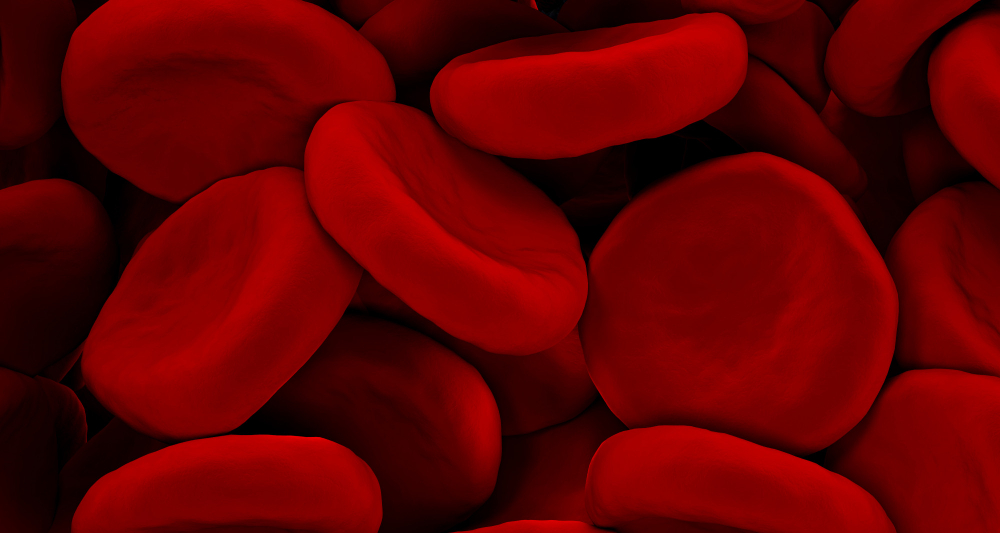
Scientists know PV as a condition where your body makes too many red blood cells. This can cause the blood to become thicker and flow slower. Thick blood may sound harmless, but it can lead to some pretty serious health issues, like increasing the risk of clots.
Understanding Polycythemia Vera and Its Impact
Here’s a little more detail about what is polycythemia vera. It’s considered a chronic condition, meaning it lasts a long time. It might even have some cancer-like traits because it involves cells growing uncontrollably. You might wonder, “How does it even develop?” Well, the main culprit is a change, or mutation, in the JAK2 gene. This mutation is at the heart of PV. It causes your bone marrow to make too many red blood cells.
Who exactly can develop this condition? It’s usually found in people over 60. It’s more common in men than in women, but it’s not something you inherit from your parents. Most people don’t pass it down to their kids, so it’s in an individual’s genes and not a family trait.
Another curious fact is that what are the three types of polycythemia usually comes up in scientific discussions. PV is just one type, called “primary polycythemia.” It happens on its own. The other types might have different causes, such as high oxygen levels or tumors, which are pretty rare. It’s important to know the type to get the right treatment.
So, what are the effects of polycythemia? Besides thicker blood, other challenges include feeling tired or dizzy, having headaches, and more. All these effects stem from having too many red blood cells.
Recognizing Symptoms and The Importance of Diagnosis
Let’s talk symptoms. What are the most common symptoms of polycythemia vera? Many people with PV feel a little off. You might notice:
- Feeling really tired
- Dizziness
- Skin that itches a lot
- Headaches
Sometimes, the signs are rare or severe, which means it’s important to seek medical care quickly. Ignoring these can lead to serious issues like blood clots or even strokes.
Diagnosing PV isn’t as tricky as you might think. Blood tests can point out what’s happening. A specific check is called what is a PV blood test. This helps measure how many red blood cells you have compared to other parts. Doctors also use a JAK2 genetic test. This test looks for the mutation that tends to cause PV. Knowing early can help manage symptoms better.
Understanding what happens if polycythemia is not treated is crucial. Without attention, the extra blood cells can lead to blocked blood vessels. These blocks may cause heart attacks or strokes. That’s why getting tested if you’re feeling odd is something you can’t ignore.
Managing Life with Polycythemia Vera: Treatment and Lifestyle
Learning what is the treatment for polycythemia is key to living with the condition. Although there’s no cure, treatments help control it. The first, and perhaps most common, is phlebotomy. It’s like donating blood. Doctors remove some blood to reduce the number of red cells in your body.
There are medicines, too. These help make fewer blood cells or manage symptoms. Each patient gets a treatment plan that can work best for them.
Living with PV means a few lifestyle adjustments help, too:
- Stay hydrated: Drink plenty of water. It keeps your blood flowing well.
- Eat right: A balanced diet with fruits and veggies can be beneficial.
- Avoid overheating: Try to stay cool in hot weather, as heat can worsen symptoms.
Medical research isn’t standing still. New studies aim at figuring out the most common cause of polycythemia, which can make treatments better. There’s hope that future treatments can target the gene mutation directly, offering better control over symptoms.
In short, knowing what is polycythemia vera empowers you with the knowledge to track and manage your health better. This condition, though rare, is manageable with early detection, proper treatments, and some lifestyle tweaks.